 Pets
Automatic Cat Feeder Review: Types, Picks & Vet FAQ
Automatic Cat Feeder Review: Types, Picks & Vet FAQ
Quick Answer
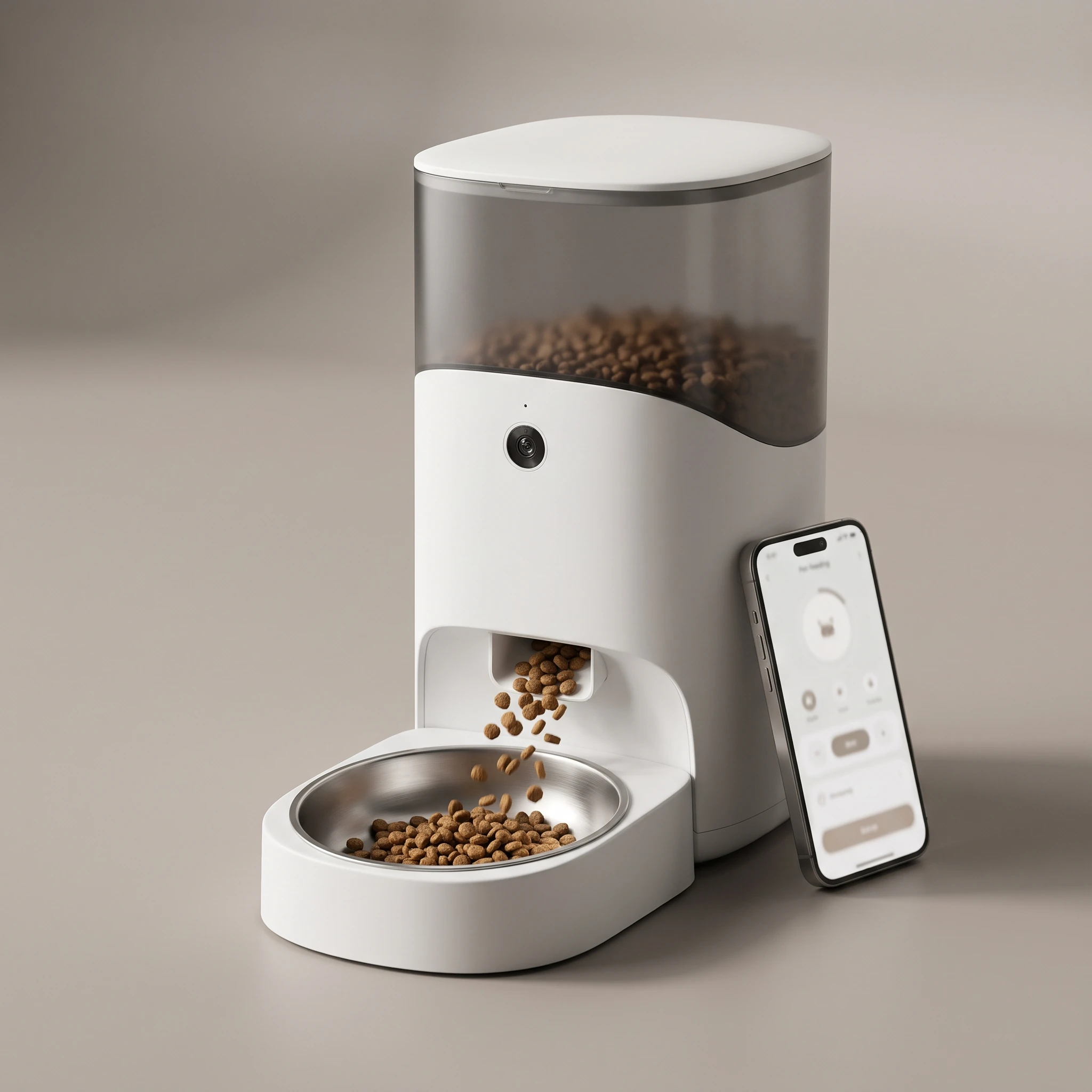
An automatic cat feeder dispenses measured portions of food on a programmed schedule without requiring a human present. Modern models range from basic timed units to Wi-Fi app-enabled feeders, 1080p camera units with AI pet recognition, and refrigerated wet-food dispensers. They excel at enforcing portion control, stopping early-morning begging, and managing routines, but they require regular upkeep, carry mechanical jam risks, and should never replace an owner's close watch over a cat's appetite.
Quick Product Verdict
Automatic cat feeders are among the most practical pet-tech upgrades for busy owners, shift workers, and households fighting weight creep or dawn wake-up calls. While they introduce a single point of failure—such as jams, power drops, or lost Wi-Fi connectivity—models like the WIRED-tested Petkit YumShare Dual-Hopper 2 and Petlibro Polar Wet Food Feeder prove that modern automation handles both dry and wet diets reliably. Choose based on your cat's dietary needs, your travel habits, and whether you require remote camera monitoring.
Who This Product Is Best For
- Dawn-begging households: Cat owners awakened before sunrise by a pet demanding breakfast.
- Cats on weight management plans: Owners needing strict, measured portion control to curb indoor cat obesity.
- Shift workers and travelers: People with irregular schedules who require guaranteed, timed feeding routines.
- Multi-cat or wet-food homes: Households managing separate dietary needs or looking to keep wet food fresh on a schedule.
Who Should Avoid It
- Free-feeding households: Owners whose adult cats self-regulate successfully and never overeat.
- Cats with declining health or erratic appetites: Vets warn that automated feeders can mask early illness signs if a cat stops eating and the machine continues dispensing.
- Owners unwilling to clean and troubleshoot: Anyone who dislikes washing parts, clearing kibble jams, or managing app connectivity.
- Multi-day absences: Feeders are convenience tools for short trips, not a substitute for a human pet sitter.
What Is an Automatic Cat Feeder?
An automatic cat feeder is an electronic or mechanical device designed to deliver pre-measured portions of cat food at programmed times. Over the years, the category has evolved far past simple gravity chutes into a sophisticated segment of smart home pet care.
Modern automatic feeders fall into several distinct categories:
- Timed Feeders: Clock-driven units that drop dry food at set intervals using internal timers and mechanical wheels.
- Wi-Fi & App Feeders: Connected units that let owners schedule meals, adjust portion sizes down to fractions of a cup, and trigger snacks remotely from a smartphone.
- Camera & AI Feeders: Advanced devices featuring 1080p HD video, two-way audio, and machine learning models that can recognize individual cats (with subscription requirements varying by manufacturer).
- Refrigerated Wet-Food Feeders: Specialized units utilizing thermoelectric cooling to keep wet food safe at or below 50°F before sliding open compartments at mealtime.
- Microchip-Selective Feeders: Bowls that recognize a specific cat's microchip RFID tag, opening exclusively for them to prevent food theft in multi-cat environments.
Key Specifications
| Specification Category | Common Range / Options | Buyer Impact |
|---|---|---|
| Hopper Capacity | 2 Liters to 6+ Liters | Larger capacities mean less frequent refilling; smaller units suit compact spaces. |
| Connectivity | 2.4 GHz Wi-Fi or 2.4/5 GHz dual-band | Determines how easily the feeder pairs with your home network and app. |
| Power Backup | Alkaline batteries (AA/AAA/D) or rechargeable internal cells | Keeps feeding schedules running during unexpected household power outages. |
| Portion Precision | Down to 1/12 or 1/24 of a cup | Essential for precise veterinary weight-loss and portion-control regimens. |
| Bowl Material | Stainless steel, ceramic, or BPA-free plastic | Stainless steel and ceramic resist bacteria buildup far better than plastic. |
What Comes in the Box
- Automatic cat feeder base and food hopper
- Removable food bowl (typically stainless steel)
- Power adapter and USB/power cable
- Instruction manual and quick-start guide
- Note on optional items: Battery compartments, desiccant bags for moisture control, and camera modules vary by model.
Design and Build Quality
Physical build quality is critical because cats are persistent investigators. Well-designed units feature twist-lock hopper lids to prevent paws from prying open stored kibble, stable weighted bases to resist tipping, and anti-jam dispensing rotors. Stainless steel bowls snap out easily for daily cleaning, avoiding the chin acne often associated with cheap plastic bowls.
Performance
Performance in automatic feeders centers on portion consistency and reliability. High-end units dispense accurate amounts without jamming, even when using irregularly shaped kibbles. Dual-hopper models allow owners to mix different foods or treats. However, performance can degrade if stale crumbs accumulate in the dispensing chute or if low-quality kibble creates friction.
Ease of Use
App integration dictates much of the user experience. Intuitive apps make setting daily schedules, adjusting portion sizes, and reviewing feeding logs straightforward. Physical control panels with LED screens provide a backup when Wi-Fi drops. Cleaning removable hoppers and bowls should be a weekly routine, making tool-free disassembly a major advantage.
Comfort / Usability
Automatic feeders help reduce food-related anxiety by breaking the direct association between humans and meals. Instead of begging their owners at 4 a.m., cats learn to wait by the machine when the timer clicks. For fast eaters, models that dispense multiple micro-meals throughout the day help smooth out the gorging-and-vomiting cycle noted in veterinary literature.
Setup / Assembly / Installation
Setting up a modern feeder typically involves plugging in the unit, downloading the manufacturer's mobile app, connecting to your 2.4 GHz or dual-band home Wi-Fi network, and running a test dispense. Inserting backup batteries ensures peace of mind against power outages before filling the hopper with dry kibble.
Maintenance and Cleaning
Regular maintenance prevents jams and bacterial growth. Hoppers and stainless steel bowls should be washed and dried every one to two weeks. Desiccant packs inside the lid should be replaced periodically (usually every 1 to 2 months) to keep dry food fresh and crunchy.
Safety and Reliability
Reliability depends on dual-power redundancy. Units that combine plug-in wall power with battery backups ensure your cat never misses a meal during a blackout. From a health standpoint, veterinary guidance emphasizes that owners must still monitor their cats directly; a self-refilling bowl can conceal a sudden drop in appetite, which is often an early warning sign of illness.
Warranty, Returns, and Support
Warranties across reputable pet-tech brands typically range from 1 to 2 years of limited coverage against manufacturing defects. Buyers should review retailer return windows (such as 30-day return policies) to ensure their cats accept the mechanical sounds of the new machine without fear.
Pricing and Value for Money
Automatic cat feeders span a wide price spectrum:
- Budget App Feeders: Around $50 for reliable single-pet dry food units with basic smartphone scheduling.
- Mid-Range / Refrigerated Units: Around $170 for specialized wet-food cooling (such as the Petlibro Polar) or dual-hopper designs.
- Premium AI & Camera Systems: Ranging from $170 upwards, with some advanced cloud features carrying annual subscription fees ($96–$160/year) for per-cat recognition and cloud logging.
Value is high for owners struggling with weight management or early-morning wake-ups, provided the unit proves durable and jam-free.
Pros and Cons
| Pros | Cons |
|---|---|
| Ends early-morning begging and food-related stress | Mechanical devices are single points of failure (jams, dead batteries) |
| Precise portion control supports veterinary weight-loss plans | Can mask a cat's dropping appetite if owners rely solely on app logs |
| Scheduling flexibility supports work hours and short trips | Camera and app software can occasionally suffer from lag or bugs |
| Cameras and logs offer real peace of mind while away | Subscription fees apply for advanced AI features on select models |
| Specialized wet-food and refrigerated options keep meals fresh | Picky cats may initially be startled by the dispensing sounds |
Limitations and Trade-Offs
While automatic feeders offer incredible convenience, they cannot replace human observation. A mechanical hopper cannot tell if your cat is lethargic, hiding, or experiencing urinary issues. Furthermore, dry food left in hoppers can lose freshness over weeks if the hopper is too large for a single cat, and wet-food feeders require daily cleaning to prevent spoilage.
Competitor Comparison
| Product | Best For | Strength | Limitation | Pricing Note |
|---|---|---|---|---|
| Petkit YumShare Dual-Hopper 2 | Multi-food and camera monitoring | Dual hoppers, AI pet recognition without a subscription | Higher price tier | $170 as listed in WIRED's 2026 guide |
| Petlibro Polar Wet Food Feeder | Wet-food diets | Thermoelectric cooling keeps wet food fresh below 50°F | Single meal compartments require daily reloading | $170 as listed in WIRED's 2026 guide |
| SureFeed Microchip Feeder | Multi-cat food security | Opens only for the programmed microchip tag | No scheduling or app features | $183.59 listed on Chewy via Webvet (2026-11-08) |
| Petlibro Air | Budget-conscious buyers | Compact app control with battery operation | Basic feature set | $49.99 listed on Chewy via Webvet (2026-11-08) |
Best Alternatives
- Gravity Feeders: Ultra-cheap, non-electronic alternatives ($10 class) that drop food as the bowl empties—suitable only for free-fed cats who do not overeat.
- Basic Timed Feeders: Clock-driven units without app connectivity; ideal for owners who want simple automation without smartphone apps.
Buying Guide
When selecting an automatic cat feeder, consider:
- Food Type: Is your cat on dry kibble, wet food, or a mix? (Dry food fits standard hoppers; wet food requires refrigerated units like the Petlibro Polar).
- Household Dynamics: Do you have one cat or multiple? Multi-cat homes benefit from dual hoppers or microchip-selective bowls.
- Tech Preferences: Do you want remote app control and HD video monitoring, or simply a reliable local schedule?
FAQs
On this page
Is an automatic cat feeder worth it?
Yes, for owners dealing with early-morning begging, erratic human schedules, or vet-directed weight management plans, an automatic feeder provides consistent structure and portion control.
Can automatic feeders handle wet food?
Standard hoppers cannot handle wet food safely due to spoilage risks. However, specialized refrigerated units like the Petlibro Polar keep wet food chilled at or below 50°F until mealtime.
How do I stop my cat from breaking into the feeder?
Look for models with secure twist-lock lids, sturdy weighted bases, and chew-resistant power cords.
Can I use an automatic feeder while traveling?
They are excellent for short trips (24–48 hours), but they do not replace a human pet sitter for longer absences, as water, litter boxes, and overall cat health still need daily checking.
Final Verdict
Automatic cat feeders have matured into dependable, feature-rich appliances that solve genuine household pain points. Whether you opt for a budget dry-food app dispenser or a specialized refrigerated wet-food unit, automating meals brings peace of mind and better portion control to indoor cat care. Pair your purchase with mindful daily observation of your cat's health and behavior for the best results.
Affiliate Disclosure
Affiliate Disclosure: This article may contain affiliate links. If you buy through these links, we may earn a commission at no extra cost to you (tag: livelihood08-20). Our recommendations remain based on available evidence, product fit, and buyer usefulness. Images are AI-generated illustrations.
Sources
All sources checked or surfaced on 2026-11-08 (US market). Prices change — verify before publishing or buying.
- WIRED — "These 12 Automatic Cat Feeders Were the Best We Tested in 2026": https://www.wired.com/gallery/best-automatic-cat-feeders/(https://www.wired.com/gallery/best-automatic-cat-feeders/)
- Webvet — "Are Automatic Feeders Good for Cats? A Vet-Reviewed Answer": https://www.webvet.com/are-automatic-feeders-good-for-cats(https://www.webvet.com/are-automatic-feeders-good-for-cats)